
Ontime and Stressfree Development with Money Back Guarantee...

Engineering Materials
Explore a wide range of engineering materials selected to support product performance, manufacturing efficiency, and long-term reliability across diverse industries.
Explore MaterialsEngineering Materials for Smarter Product Development
Every product starts with a material. The material you choose influences how the product performs, how long it lasts, how it is manufactured, and how much it costs to produce.
A simple change in material can improve strength, reduce weight, increase durability, simplify manufacturing, or lower production costs. That is why material selection is one of the most important decisions during product development.
At Krishani Molds & Parts, we help businesses select engineering materials based on real manufacturing requirements rather than assumptions.
Wide Material Selection
Plastics, Rubber, Silicone & Engineering Materials
Application Driven
Material recommendations based on end-use requirements
Performance Focused
Improve durability, strength and reliability
Expert Guidance
Engineering support from concept to production
Ready to See your Idea into Reality
Discuss your Requirements with our Product Expert!... Already served 670+ Clients
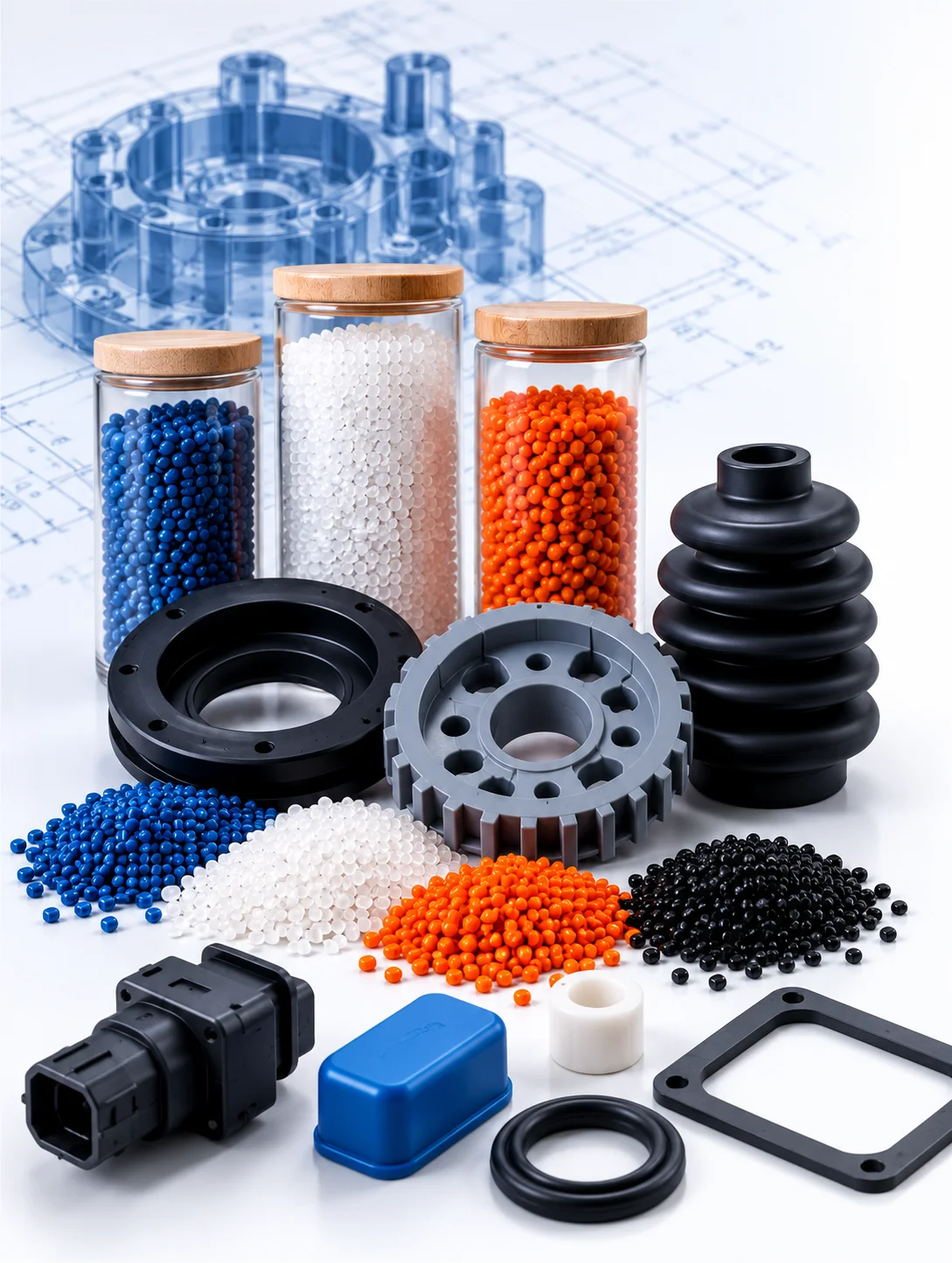
The Importance of Material Selection
The right material has a direct impact on a product's performance, durability, manufacturing process, and overall cost. Selecting the most suitable material early in the development process helps improve product quality, production efficiency, and long-term reliability.
Performance
Ensures the product performs as intended under real operating conditions.
Durability
Improves resistance to wear, impact, weather and long-term use.
Manufacturing
Supports efficient production and consistent product quality.
Compliance
Helps meet industry, safety or food-contact requirements where applicable.
Cost
Balances material performance with manufacturing and production costs.
Every Product Has
Different Material Requirements
No single material is suitable for every application. The best solution is always based on the product's specific requirements rather than selecting a material based on cost or availability alone.
Engineering Materials Built for Performance
We work with high-performance engineering materials to support product development, tooling, prototyping, and large-scale manufacturing across multiple industries.
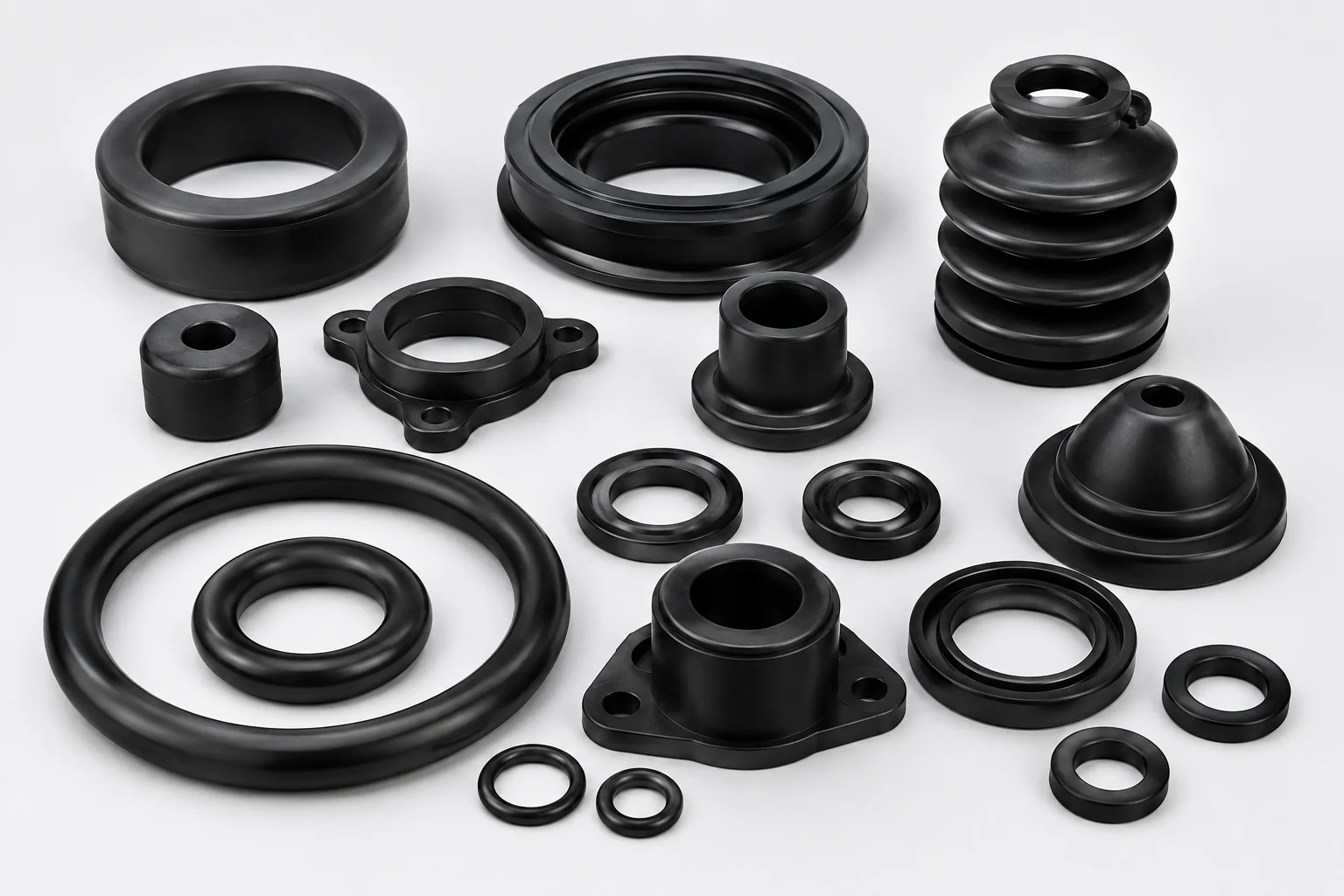
RUBBER
Rubber is widely used in products that require flexibility, sealing performance, vibration control, and protection against environmental conditions.
COMMON APPLICATIONS
- Gaskets
- O-Rings
- Bushings
- Protective Covers
TYPICAL ADVANTAGES
- Excellent Flexibility
- Reliable Sealing
- Wear Resistant
- Weather Resistant
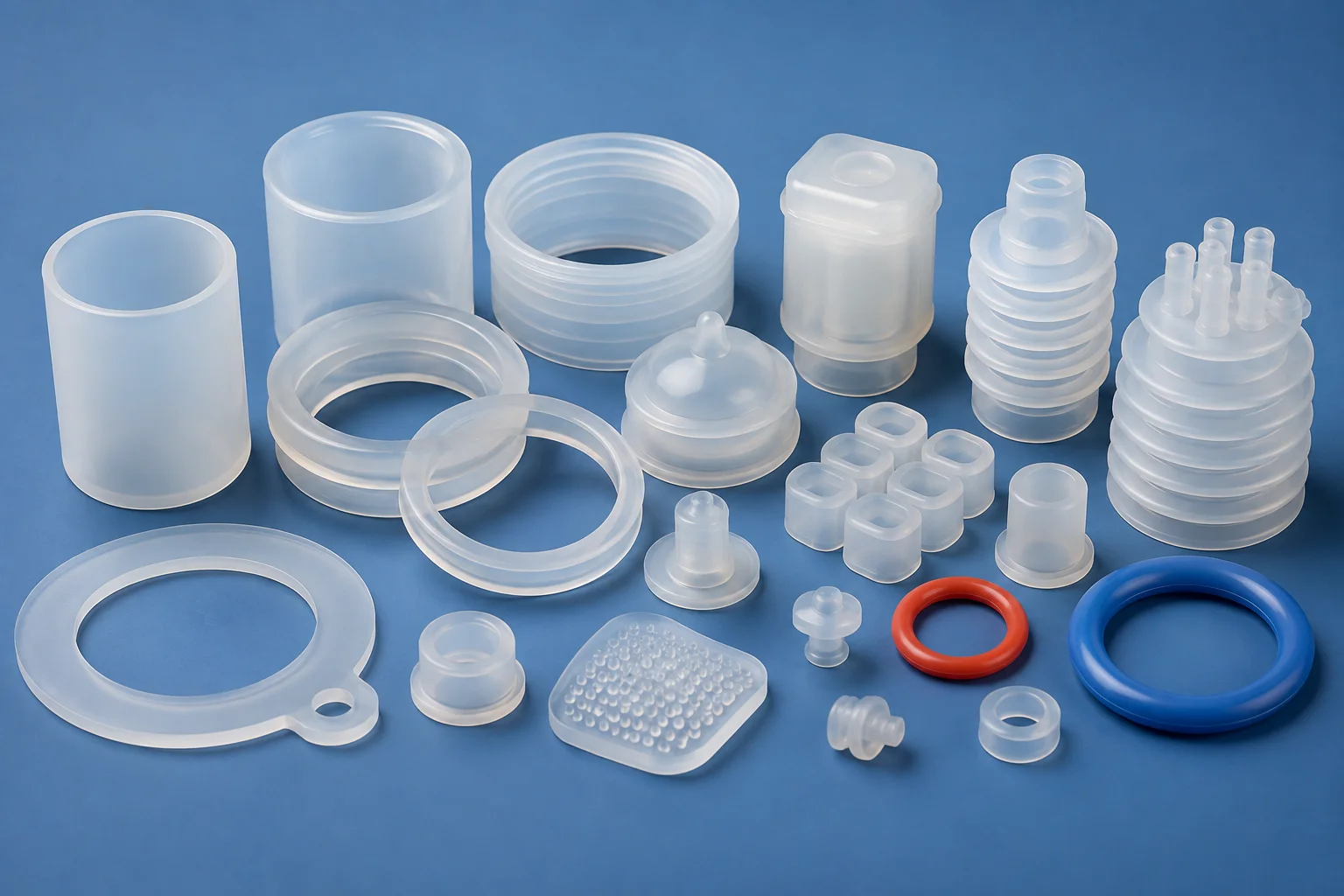
SILICONE
Silicone is valued for its flexibility, temperature resistance and long service life, making it suitable for demanding environments.
COMMON APPLICATIONS
- Kitchen Products
- Food Components
- Medical Devices
- Baby Products
TYPICAL ADVANTAGES
- Heat Resistant
- Food Grade
- UV Resistant
- Odourless
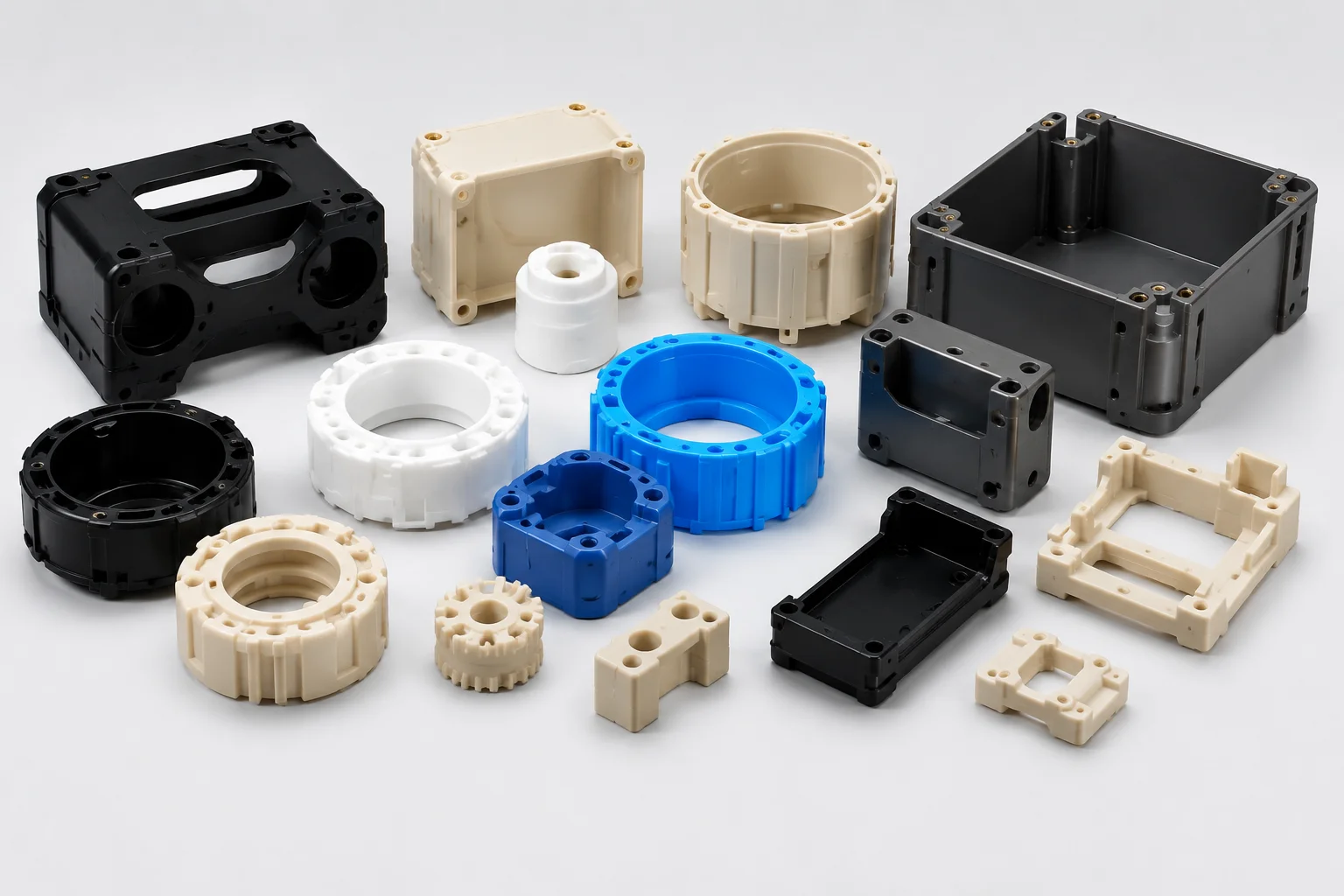
PLASTICS
Engineering plastics offer an excellent balance of strength, lightweight design and manufacturing efficiency for many industries.
COMMON APPLICATIONS
- Injection Parts
- Enclosures
- Consumer Products
- Packaging
TYPICAL ADVANTAGES
- Lightweight
- Design Flexibility
- Cost Effective
- Stable Dimensions
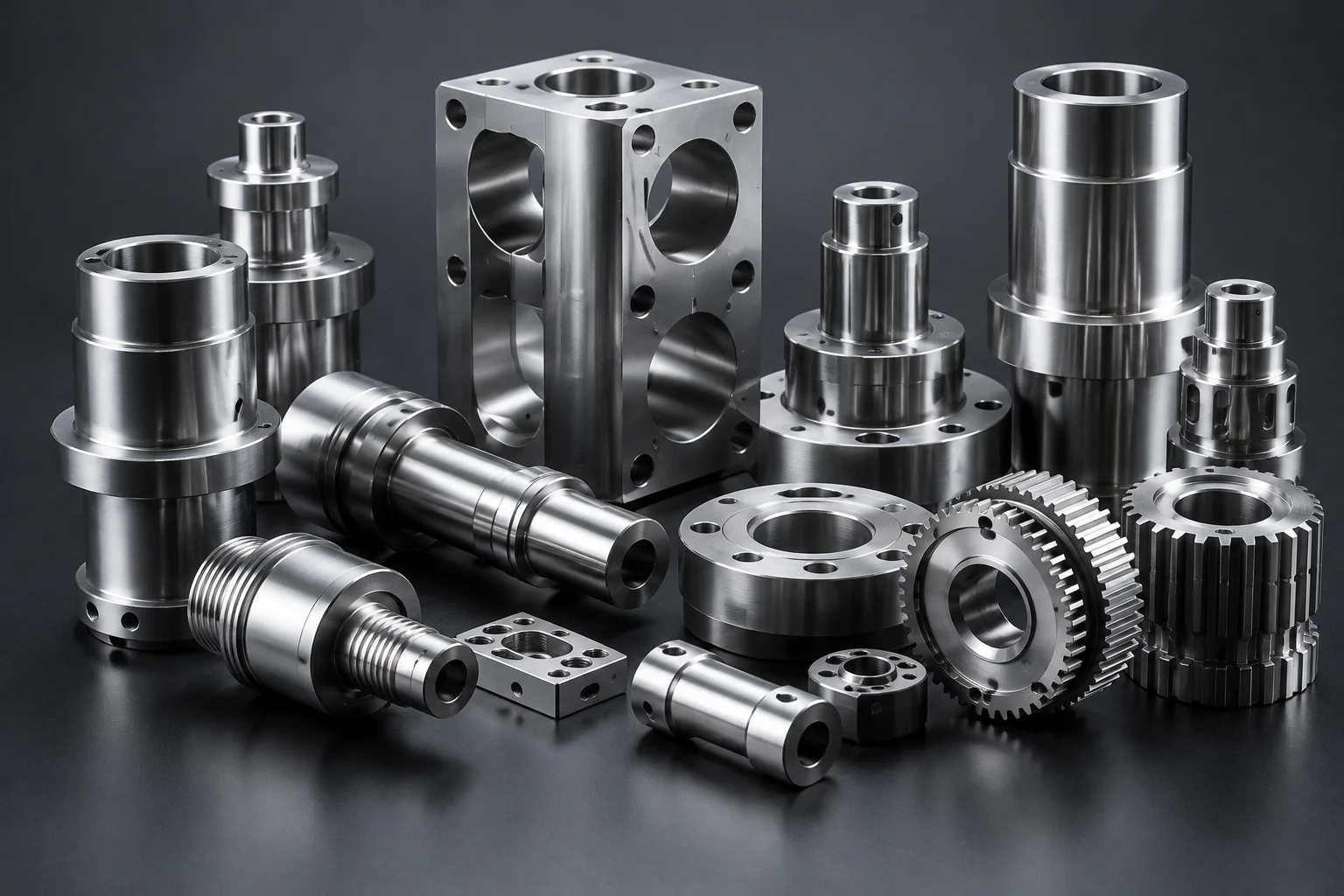
MATERIAL SELECTION CONSIDERATIONS
Selecting a material involves much more than comparing technical properties. Every product has unique requirements, and the best material is the one that delivers the right balance between performance, manufacturability, durability, and cost.
During product development, engineers evaluate several factors before making a recommendation.
Consideration
Description
Product Function
Understanding what the product is expected to do is the
first step in selecting the right material.
Operating Environment
Temperature, moisture, chemicals, UV exposure, and outdoor
conditions all influence material performance.
Mechanical Requirements
Strength, flexibility, impact resistance, and wear
resistance are evaluated based on the application's
demands.
Manufacturing Method
The material should be compatible with the intended
manufacturing process, such as molding, machining,
stamping, or extrusion.
Regulatory Requirements
Certain applications require food-grade, medical-grade,
or industry-specific material standards.
Production Volume
Material selection may vary depending on whether the
product is a prototype, a small production batch, or
large-scale manufacturing.
Project Budget
Cost is considered alongside performance to achieve the
most practical and efficient solution.
×


