Ontime and Stressfree Development with Money Back Guarantee...

Custom Rubber O-Rings Manufacturer for Industrial Applications
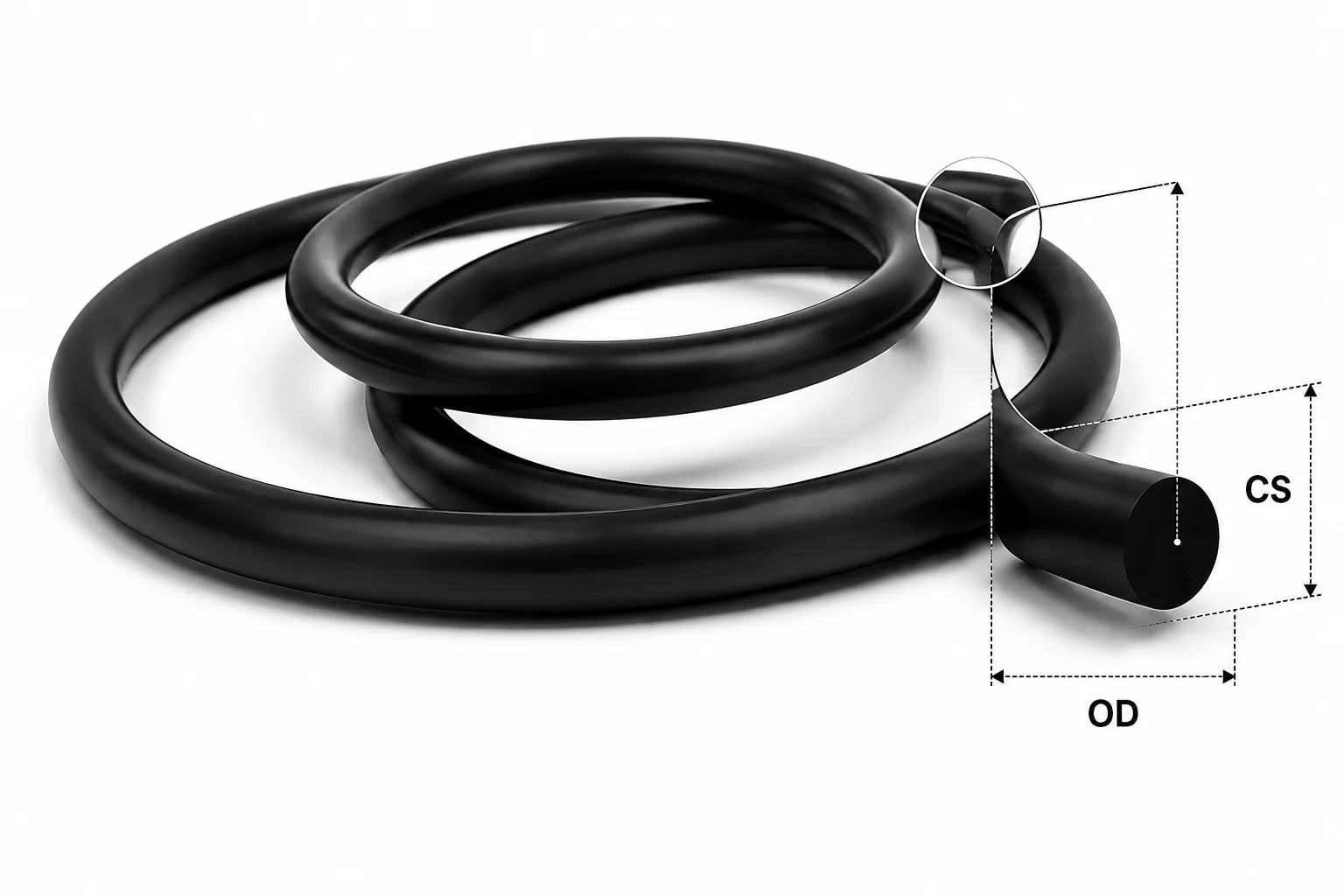
Krishani manufactures custom rubber O-rings for OEM and industrial applications. Precision-molded sealing solutions available in nitrile, silicone, EPDM, and other elastomers.
Book A 20 Min. Strategy CallCustom Rubber O-Rings
Ready to See your Idea into Reality
Discuss your Requirements with our Product Expert!... Already served 670+ Clients
Materials We Use
Applications
Oils, fuels, hydraulic fluids, lubricants and general industrial applications.
Advantages
Excellent fluid resistance, high durability and cost-effective performance.
Temperature Range
-40°C to +120°C
Resistance
Oils, fuels, hydraulic fluids, petroleum-based products.
Manufacturing Capabilities
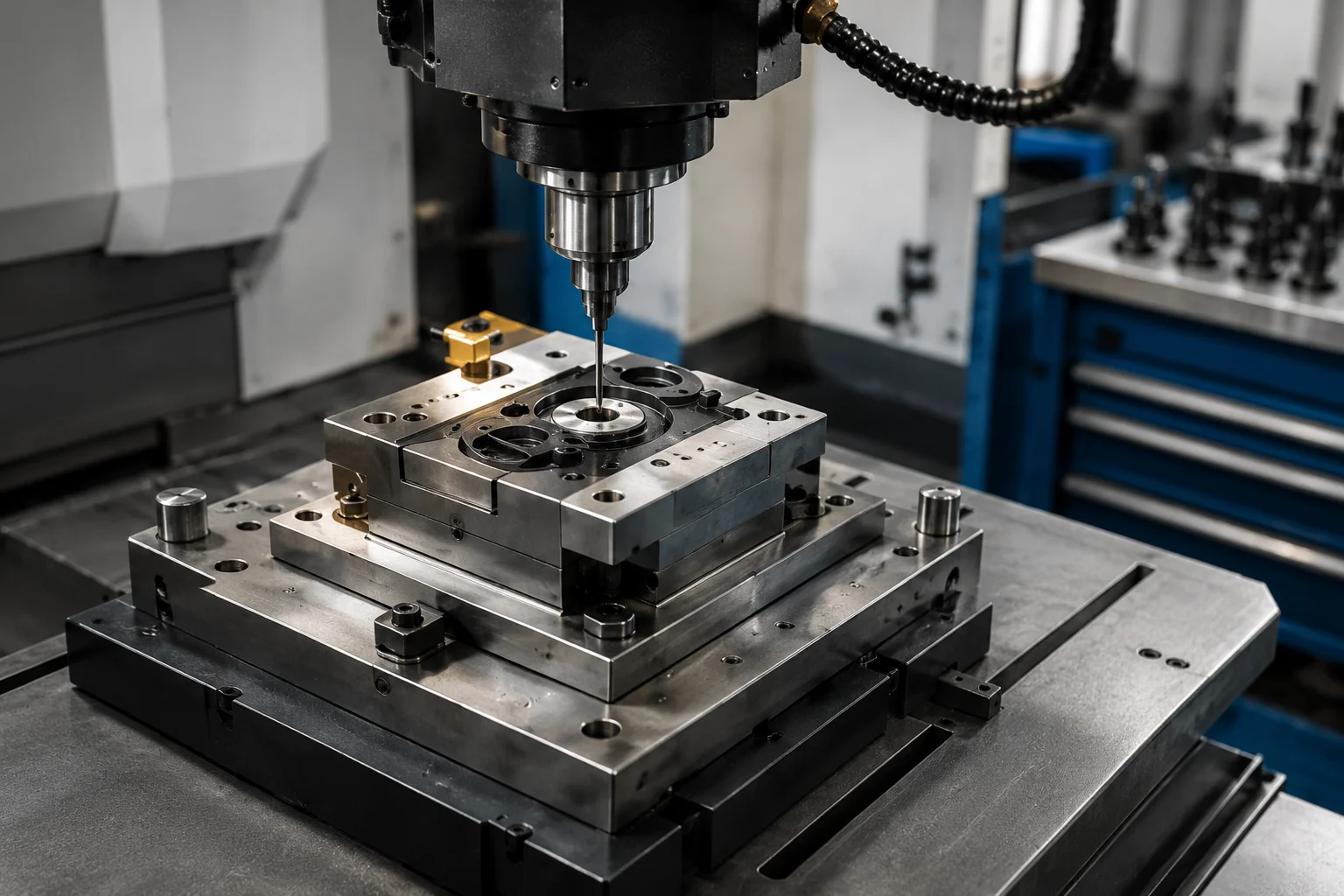
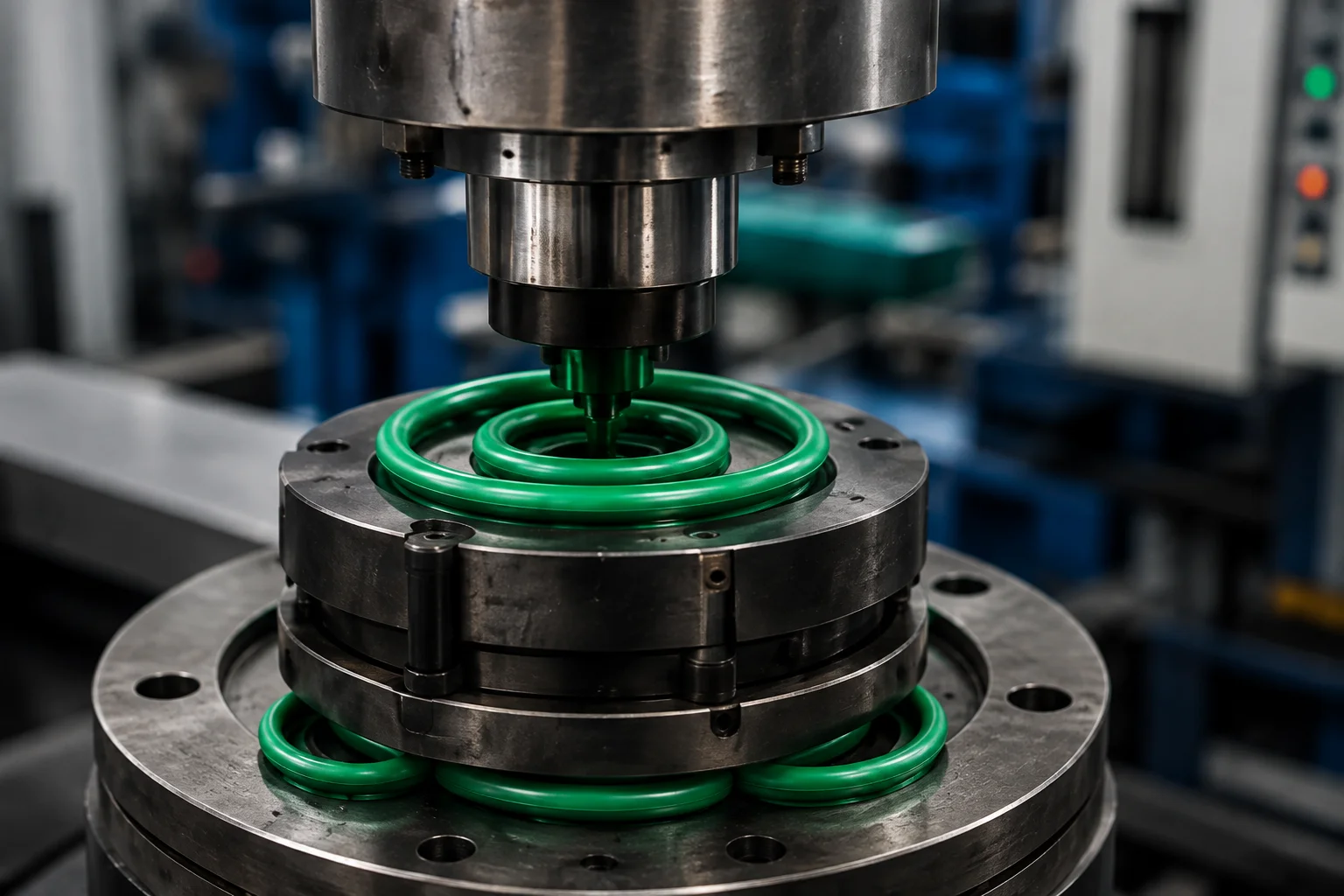
Krishani supports customers throughout the entire development and production process. Using advanced manufacturing techniques and stringent quality controls, we produce O-rings with consistent dimensional accuracy and repeatable performance characteristics.
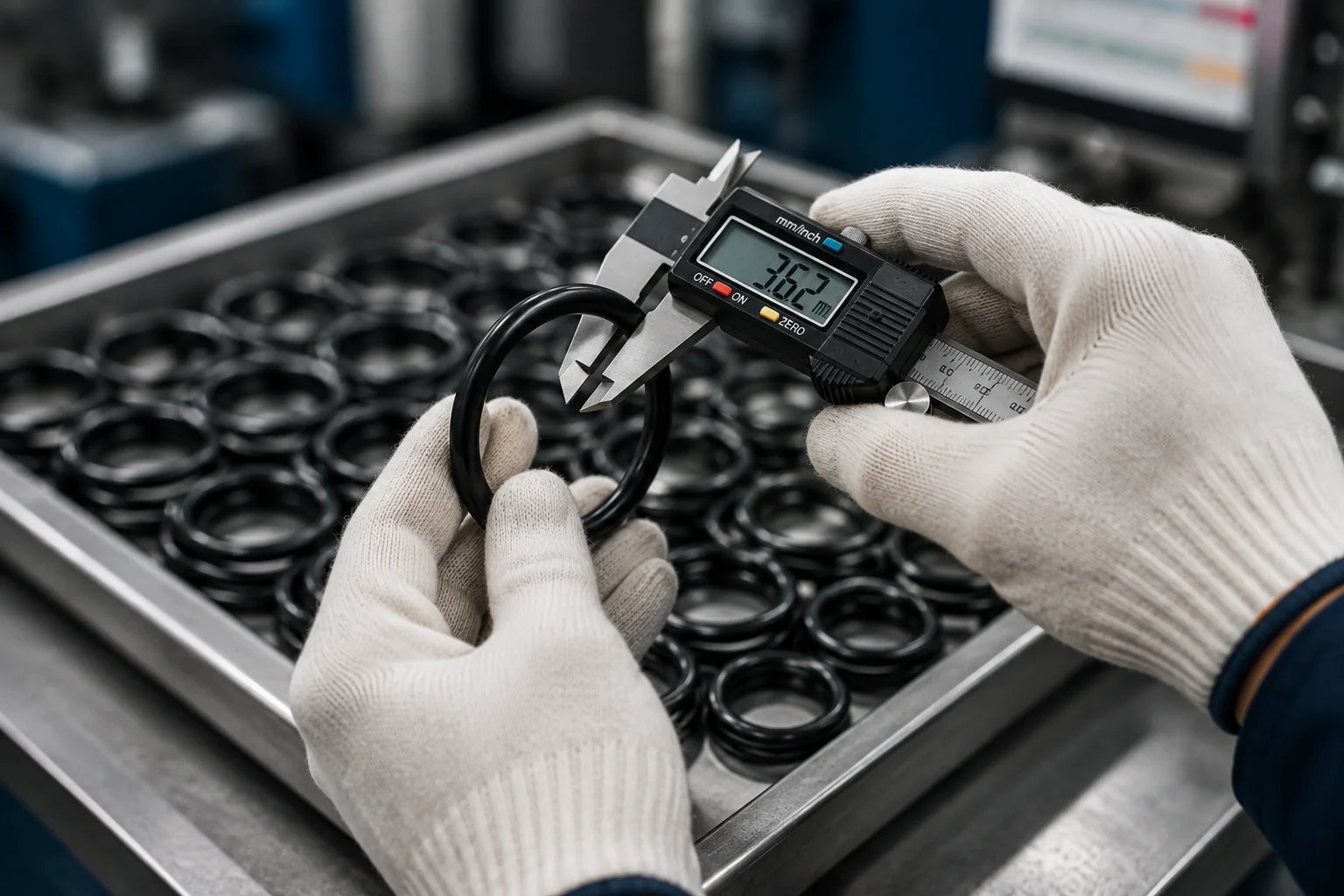
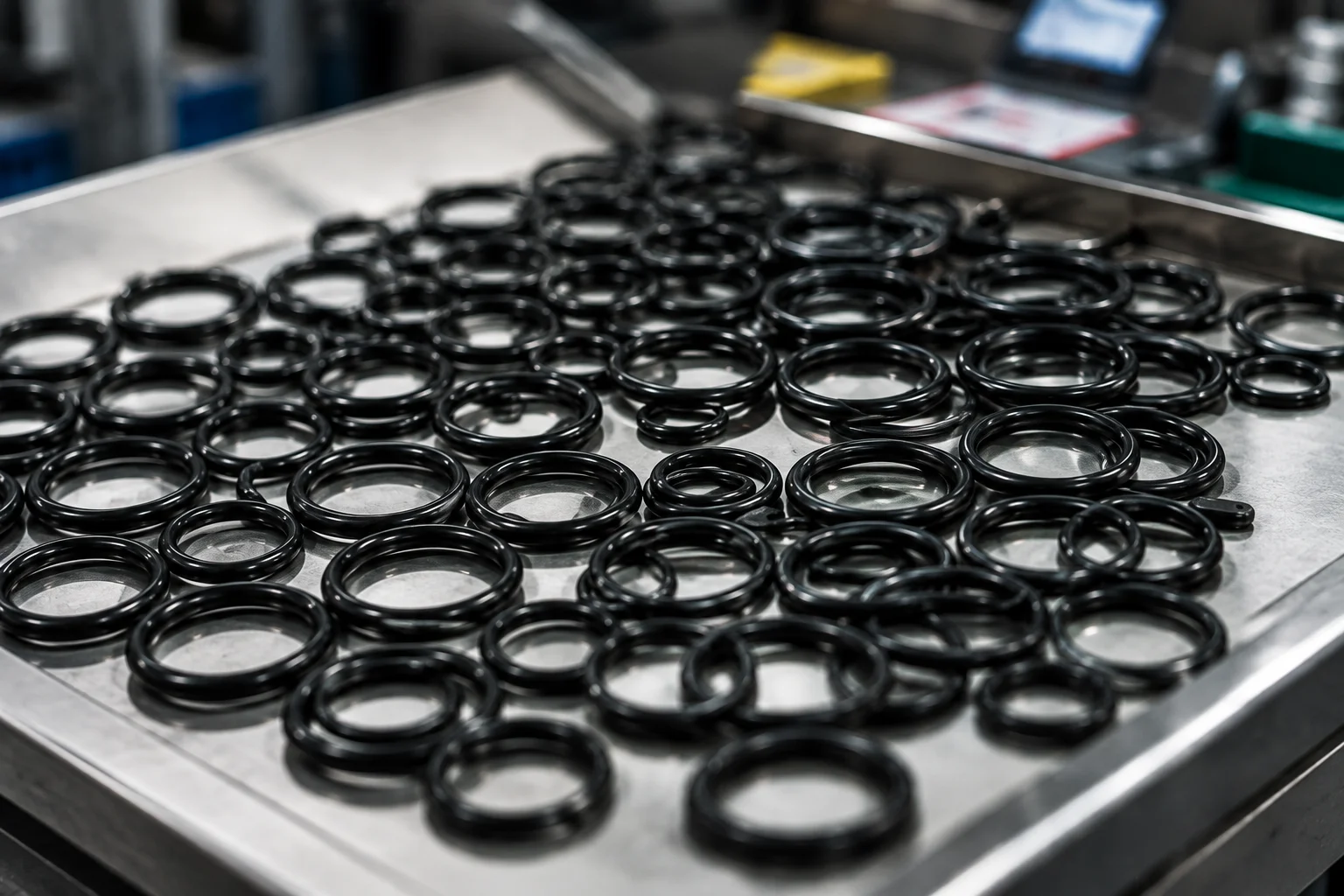
Our Capabilities Include
Custom tooling development
Material selection support
Prototype production
Precision molding
Production volume manufacturing
Quality inspection and testing
We also provide rubber molding services for customers requiring custom molded rubber components and sealing products. This integrated manufacturing approach allows us to support projects from initial concept through full-scale production.
Consistent Quality.
Reliable Performance.
Trusted by Industries.
FAQ's
Lorem ipsum dolor sit amet, consectetur adipiscing elit, sed do eiusmod tempor incididunt ut labore et dolore magna aliqua. Duis aute irure dolor in reprehenderit
01 Do I need a custom mold for my rubber part?
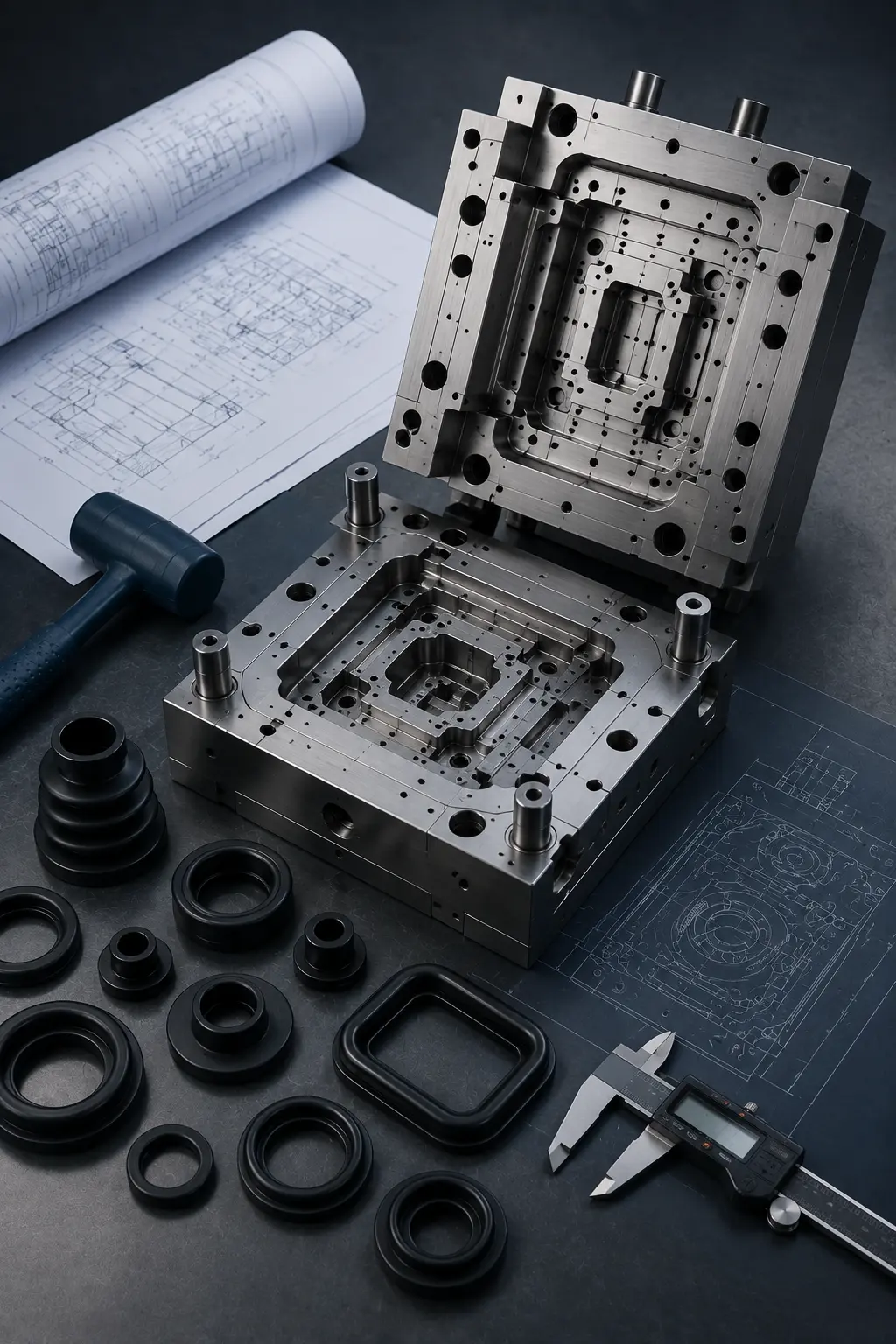
If your part has unique dimensions, material requirements, or performance specifications, a custom mold is usually the best option. Custom tooling is designed around the specific part and manufacturing process, helping improve consistency, repeatability, and overall production performance.
02 Which rubber materials can be used with custom tooling?
Custom tooling can be developed for a wide range of rubber materials, including EPDM, silicone, nitrile, neoprene, and natural rubber. The material selection depends on the application's requirements, such as temperature resistance, weather exposure, chemical compatibility, and durability.
03 Why does tooling matter in rubber molding?
Tooling has a direct impact on dimensional accuracy, material flow, cycle efficiency, and overall product quality. Well-designed tooling helps support stable production processes and consistent manufacturing results over time.
04 What's the difference between prototype tooling and production tooling?
Prototype tooling is typically used during product development to evaluate part fit, function, and manufacturability before full production begins. Production tooling is designed for long-term manufacturing and is built to support higher volumes while maintaining consistent quality.
05Can rubber tooling support high-volume production?
Yes. When the tooling is properly designed and manufactured, it can support high-volume production while maintaining part quality, process stability, and manufacturing consistency over extended production runs.
×


